
Cooking Tips for Perfect Salmon
To achieve perfectly cooked salmon, start by selecting the right fillets. Look for salmon that is firm and has a vibrant color, which indicates freshness. When cooking, ensure that the pan is preheated before adding the salmon. This helps to create that delicious sear. If you’re poaching the salmon, keep the water at a gentle simmer. Too much boiling can make the fish tough. For added flavor, consider seasoning the water with lemon slices, herbs, or even a splash of white wine. Also, avoid overcooking; salmon should be opaque on the outside but still slightly translucent in the center. Using a meat thermometer can take the guesswork out of cooking. Aim for an internal temperature of about 125°F for medium-rare. Finally, allow the salmon to rest for a few minutes after cooking. This helps to redistribute the juices, making every bite moist and flavorful.
Ingredient Notes
Using quality ingredients can elevate the dish significantly. For the salmon, wild-caught varieties tend to have a richer flavor compared to farmed options. If wild-caught is not available, look for sustainably farmed salmon. Fresh asparagus should be bright green and firm; avoid any that looks wilted or limp. When it comes to the chive butter sauce, fresh chives are essential for that bright flavor. If you can find them, use organic butter for a creamier texture and taste. For the white wine, choose something you enjoy drinking, as the flavor will concentrate during cooking. Avoid cooking wines, which often contain added salt and preservatives. Lastly, consider adding a squeeze of fresh lemon juice to the sauce for a zesty finish that complements the richness of the butter.
Serving Suggestions and Pairings
This salmon dish pairs beautifully with a variety of sides. A simple green salad with a light vinaigrette can balance the richness of the chive butter sauce. Alternatively, roasted or steamed vegetables make for a colorful and nutritious addition. If you want something heartier, consider serving the salmon over a bed of quinoa or brown rice. These grains can absorb the sauce and provide a satisfying base. For drinks, a chilled glass of Sauvignon Blanc or a light-bodied Pinot Noir complements the dish well. If you prefer non-alcoholic options, a sparkling water with a splash of lemon or a herbal iced tea can refresh the palate. Garnish the salmon with additional chives or a sprinkle of sea salt for an extra touch. This not only enhances the visual appeal but also adds a burst of flavor.
Frequently Asked Questions
Can I use frozen salmon for this recipe?
Frozen salmon can work, but it’s best to thaw it completely in the fridge before cooking. This helps ensure even cooking and better texture.
What can I substitute for chives?
If you don’t have chives, fresh parsley or green onions are great alternatives. They both add a nice flavor and freshness to the dish.
How do I store leftovers?
Store any leftovers in an airtight container in the fridge for up to three days. To reheat, gently warm the salmon and asparagus in a skillet over low heat to prevent drying out.
Can I make this dish ahead of time?
While it’s best enjoyed fresh, you can prepare the chive butter sauce ahead of time and store it in the fridge. Just reheat it gently before serving.
What sides pair well with salmon and asparagus?
A light salad or some roasted potatoes make great sides. You could also serve it with quinoa or a nice grain like farro for a heartier meal.

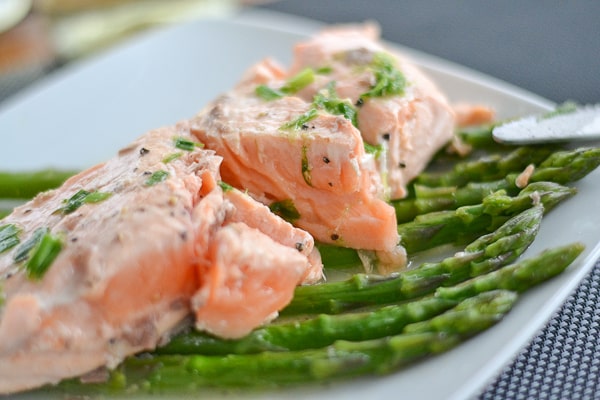
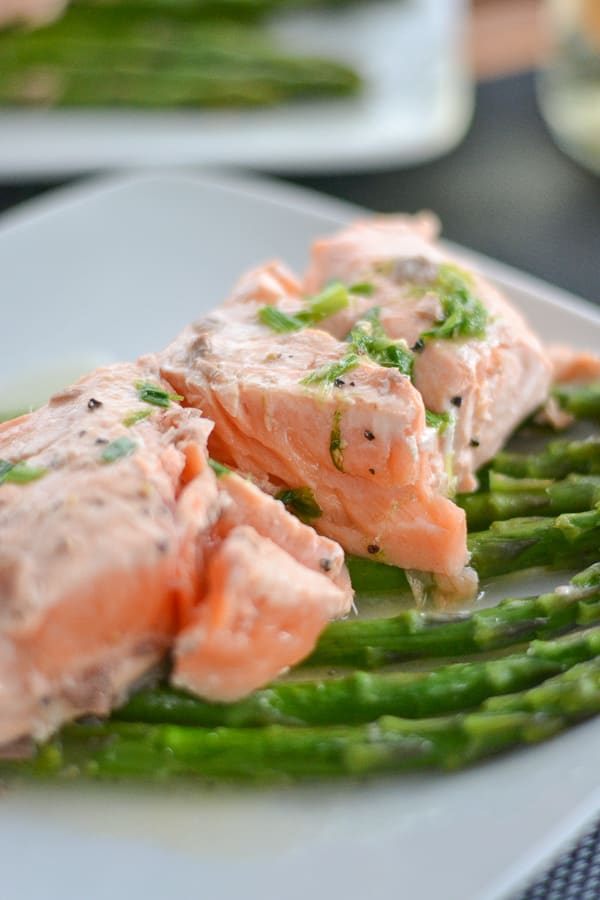
Salmon with Asparagus and Chive Butter Sauce
Ingredients
- 1 lb asparagus trimmed
- 1 cup water
- Salt and pepper
- 4 7-8 oz skinless salmon fillets
- ½ cup dry white wine
- 3 tbsp unsalted butter
- 2 tbsp chopped fresh chives
Instructions
- Lay asparagus in single layer on bottom of 12-inch skillet. Add water and ¼ tsp salt to skillet. Season salmon fillets with salt and pepper and lay across asparagus spears. Bring water to boil over high heat, reduce heat to medium, cover, and cook for 8 minutes or until asparagus is tender and salmon is translucent. Transfer salmon and asparagus to platter.
- Add wine to skillet, increase heat to medium high, and simmer for 5 minutes or until mixture has reduced. Remove from heat. Whisk in butter and chives and season with salt and pepper to taste. Pour sauce over salmon and asparagus.
- Serve and enjoy!
Notes
Nutrition
Leave a Reply