
Cooking Tips for Perfect Pesto
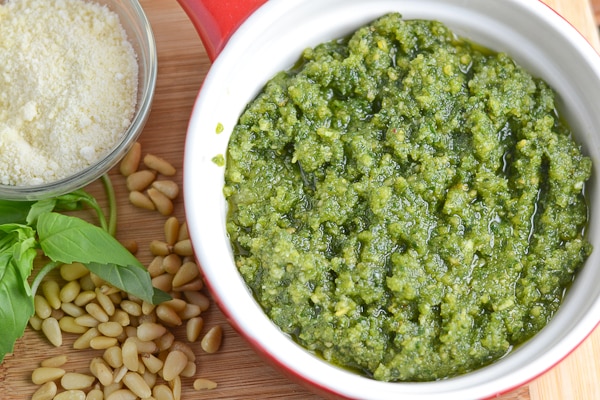
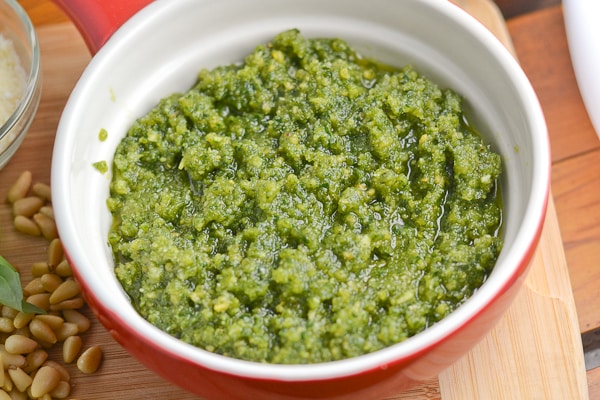
When making pesto, the key is to use fresh ingredients. Choose vibrant, green basil leaves without any brown spots. Rinse them gently and dry them thoroughly to avoid excess moisture in your sauce. Toasting the pine nuts lightly before adding them to the mix can enhance their flavor significantly, bringing a nutty richness to your pesto. If you prefer a different nut, walnuts or almonds can also work well. Just remember to adjust the amount based on the nut you choose. Blend the ingredients in short bursts, scraping down the sides of the bowl to ensure everything is well combined. Over-blending can turn your pesto into a paste rather than maintaining that delightful, slightly chunky texture. Lastly, taste as you go. Adding more cheese or salt can make a big difference, so don’t hesitate to tweak the flavors to your liking.
Creative Serving Suggestions
Pesto is incredibly versatile and can elevate a variety of dishes. Besides pasta, try spreading it on toasted bread for a quick appetizer or using it as a dip for fresh veggies. It can also be drizzled over grilled chicken or fish to add a burst of flavor. Mixing it into scrambled eggs or an omelet can turn a simple breakfast into something special. If you want to be adventurous, consider using pesto as a pizza sauce base. Spread it on your pizza dough before adding toppings for a refreshing twist. Another fun idea is to swirl pesto into soups or sauces to give them that vibrant green color and fresh taste. This sauce pairs beautifully with roasted vegetables, so don’t hesitate to toss some veggies in pesto before roasting them for a delicious side dish.
Storage Instructions and Shelf Life
Storing your homemade pesto properly can help maintain its bright color and fresh flavor. If you plan to use it within a week, store it in an airtight container in the refrigerator. To prevent browning, drizzle a thin layer of olive oil over the surface before sealing the container. Pesto can also be frozen for longer storage. Consider pouring it into ice cube trays, then transferring the frozen cubes into a freezer bag. This way, you can take out just the amount you need for a meal without defrosting the whole batch. Homemade pesto should last about a week in the fridge and up to six months in the freezer. Always check for any signs of spoilage before using, especially if it has been stored for a while. If you notice any off smells or discoloration, it’s best to discard it.
Frequently Asked Questions
What can I substitute for pine nuts?
If you’re looking for a different nut, walnuts or almonds work nicely in pesto. Just remember to adjust the quantity based on how strong the flavor of the nut is.
How should I store leftover pesto?
Store leftover pesto in an airtight container in the fridge for up to a week. To keep it fresh, drizzle a little olive oil on top before sealing to minimize oxidation.
Can I make pesto ahead of time?
Absolutely, pesto is great for making ahead. Just store it in the fridge or freeze it in ice cube trays for easy portions later.
What are some creative ways to serve pesto?
Besides pasta, try using pesto as a spread on sandwiches or a topping for grilled chicken. It also makes a fantastic dip for fresh veggies or toasted bread.
What common mistakes should I avoid when making pesto?
One common mistake is over-blending the ingredients, which can turn your pesto into a paste rather than keeping that delightful texture. Also, be sure to use fresh basil and toast your pine nuts for the best flavor.

Homemade Pesto Sauce
Ingredients
- 1 large bunch fresh basil
- 2 cloves garlic smashed and peeled
- 1/4 cup pine nuts
- 1/2 cup extra-virgin olive oil
- 1/2 cup freshly grated Parmesan
- 1/2 teaspoon kosher salt plus more for seasoning
- Freshly ground pepper to taste
Instructions
- Pluck basil leaves from stems (about 2 cups). Wash the leaves in a large bowl of cold water and dry in a salad spinner or pat dry with paper towels.
- Put the basil, garlic, and pine nuts in a food processor and pulse until coarsely chopped. With the processor running, gradually add the olive oil and process until the pesto is smooth. Transfer the pesto to a large bowl and stir in the cheese. Season with salt and pepper.
Notes
Nutrition
Leave a Reply