
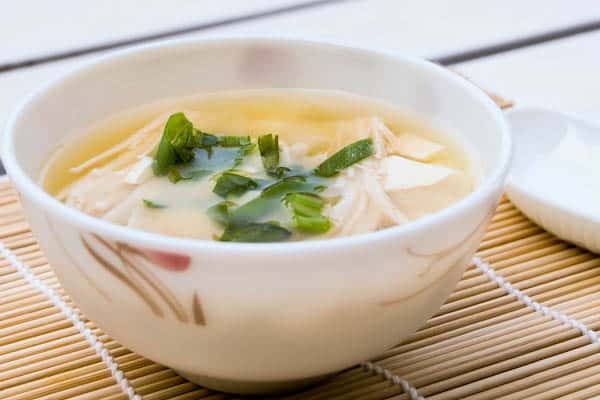
My summer vacation and time off work has been officially over for a week now. It is always hard getting back into routine after being off for two months, but as usual once I start doing what I love again, it becomes easy. Saturdays remain a busy day for me since it is when I run various errands, such as buying groceries for the week. Today, I decided to buy ingredients for miso soup.
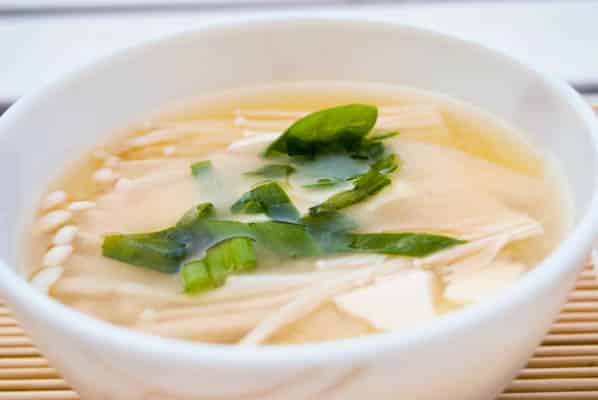
Miso soup is a traditional Japanese soup which consists of stock (dashi) and soy bean paste with tofu and green onions added afterwards. The good thing about making your own miso soup is that you can add any ingredients you want. Seaweed, baby bokchoy or mushrooms are some of the various ingredients that may be added. My version uses tofu and enoki mushrooms. It’s really quick, easy to make and always tastes great.
Cooking Tips for Perfect Miso Soup
To achieve the best flavor in your miso soup, start by preparing your dashi properly. Dashi is the foundation of the soup, and using high-quality ingredients will elevate the taste. If you have time, consider making your own dashi with kombu and bonito flakes. Soaking the kombu in cold water for at least 30 minutes before heating it up can extract more umami. When adding miso paste, avoid boiling the soup after it has been added. Miso is delicate and high heat can kill its beneficial probiotics. Instead, lower the heat and stir the miso until it dissolves completely. For a smoother texture, you can mix the miso with a bit of dashi in a separate bowl before adding it to the pot. Also, remember to taste as you go. Different types of miso have varying salt levels, so adjust accordingly. Lastly, add your ingredients in stages. Firm vegetables like carrots should go in first, followed by softer ingredients like tofu and enoki mushrooms to ensure everything is cooked perfectly.
Ingredient Notes
Miso soup can be customized with a variety of ingredients. The star of your soup is, of course, the miso paste. There are different types, such as white, yellow, and red miso, each bringing its own unique flavor. White miso is sweeter and milder, while red miso is stronger and saltier. The type you choose will impact the overall taste of your soup. Tofu adds protein and texture. Silken tofu is great for a creamy consistency, while firm tofu holds its shape better. Enoki mushrooms are delicate and add a lovely crunch, but feel free to swap them out for shiitake or button mushrooms if you prefer. Green onions add freshness and a bit of bite. Seaweed, such as wakame, can also be added for extra nutrients. Don’t forget to check for any dietary restrictions with your ingredients. If you are gluten-free, make sure to use gluten-free miso and dashi. Each ingredient not only adds flavor but also contributes to the nutritional profile of your soup.
Serving Suggestions
Miso soup is versatile, making it an excellent starter or a light meal on its own. Serve it alongside a bowl of steamed rice for a comforting meal. If you want to create a more complete dining experience, consider pairing it with other Japanese dishes like sushi or tempura. For a refreshing touch, add a side salad with a sesame dressing. Garnish your soup with additional green onions or a sprinkle of sesame seeds for an extra layer of flavor and texture. If you have leftovers, reheat them gently, but keep in mind that the texture of the tofu and vegetables may change slightly. Miso soup is also great for breakfast, especially in colder months. The warm broth can be soothing and filling. Consider adding an egg for extra protein, just drop it in just before serving and let it poach gently. Experiment with your serving style and find what complements your taste best.
Frequently Asked Questions
What can I substitute for dashi granules?
If you don’t have dashi granules, you can use vegetable broth or chicken broth as a base. Just keep in mind that it may change the flavor a bit, but it will still be tasty.
How should I store leftover miso soup?
Store leftover miso soup in an airtight container in the fridge for up to three days. Just remember to reheat gently and avoid boiling it once the miso is added.
Can I make this soup ahead of time?
You can prepare the dashi and chop all your ingredients ahead of time. Just wait to add the miso and tofu until you’re ready to serve for the best flavor and texture.
What other ingredients can I add to miso soup?
Miso soup is super versatile, so you can add ingredients like seaweed, spinach, or even sliced mushrooms. Just make sure they complement the flavors without overpowering the miso.
What should I avoid when making miso soup?
Avoid boiling the soup after adding the miso. High heat can affect the delicate flavor and beneficial probiotics in the miso, so keep it on low heat after mixing.
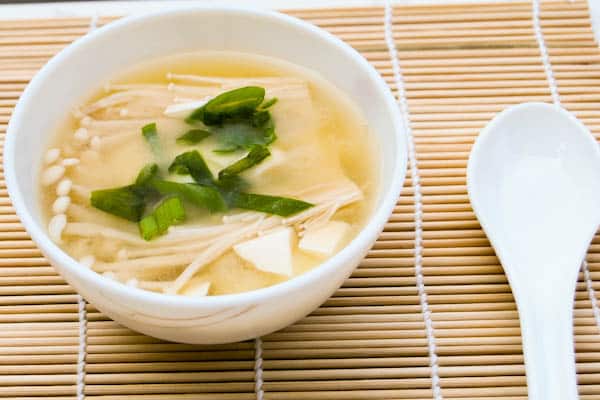
Miso Soup with Tofu and Enoki Mushroom

Ingredients
- 300 g soft tofu cut into small cubes
- 100 g enoki mushroom rinsed and ends cut
- 5 cups water
- 3 tablespoons hondashi granules
- 4 tablespoons miso soybean paste
- 1 stalk green onions sliced
Instructions
- Bring water to a boil. Add hondashi; continue to boil until granules are dissolved.
- Reduce heat. Add miso and stir to combine.
- Add enoki and tofu. Cook for couple of minutes.
- Sprinkle with green onions and serve.
- Enjoy!
Nutrition
Good, and simple!
Great recipe! What is Hodashi?
Hi Jenn,
Hondashi is seafood soup granules that is usually used in Japanese cooking. You can buy it in a jar or sachet from any Asian store that carries Japanese products. I bought mine from T&t supermarket here in Vancouver, Canada. It is similar to a bouillon so if you cannot find hondashi, you can replace it with vegetable or chicken bouillon.
This is the perfect way to ease back into routine! Thanks for sharing this Miso Soup recipe- LOVE Enoki mushrooms!
-Shannon