
Cooking Tips for Perfect Sinigang na Bangus
To achieve the best flavor in your Sinigang na Bangus, start with fresh ingredients. Fresh milkfish is key, as it contributes to the dish’s overall taste and texture. If you can, visit your local Asian market or fishmonger to find the freshest catch. When preparing the fish, gently rinse it under cold water and pat it dry. This helps maintain its integrity during cooking. Timing is crucial, especially when adding the guava. You want to add it at the right moment to ensure it releases its natural sweetness without turning mushy. Add the guava after your broth has simmered for a bit, allowing it to infuse the soup with flavor. Lastly, adjust the sourness according to your preference. If you like it tangier, add more guava or a splash of tamarind juice for an extra kick.
Serving Suggestions
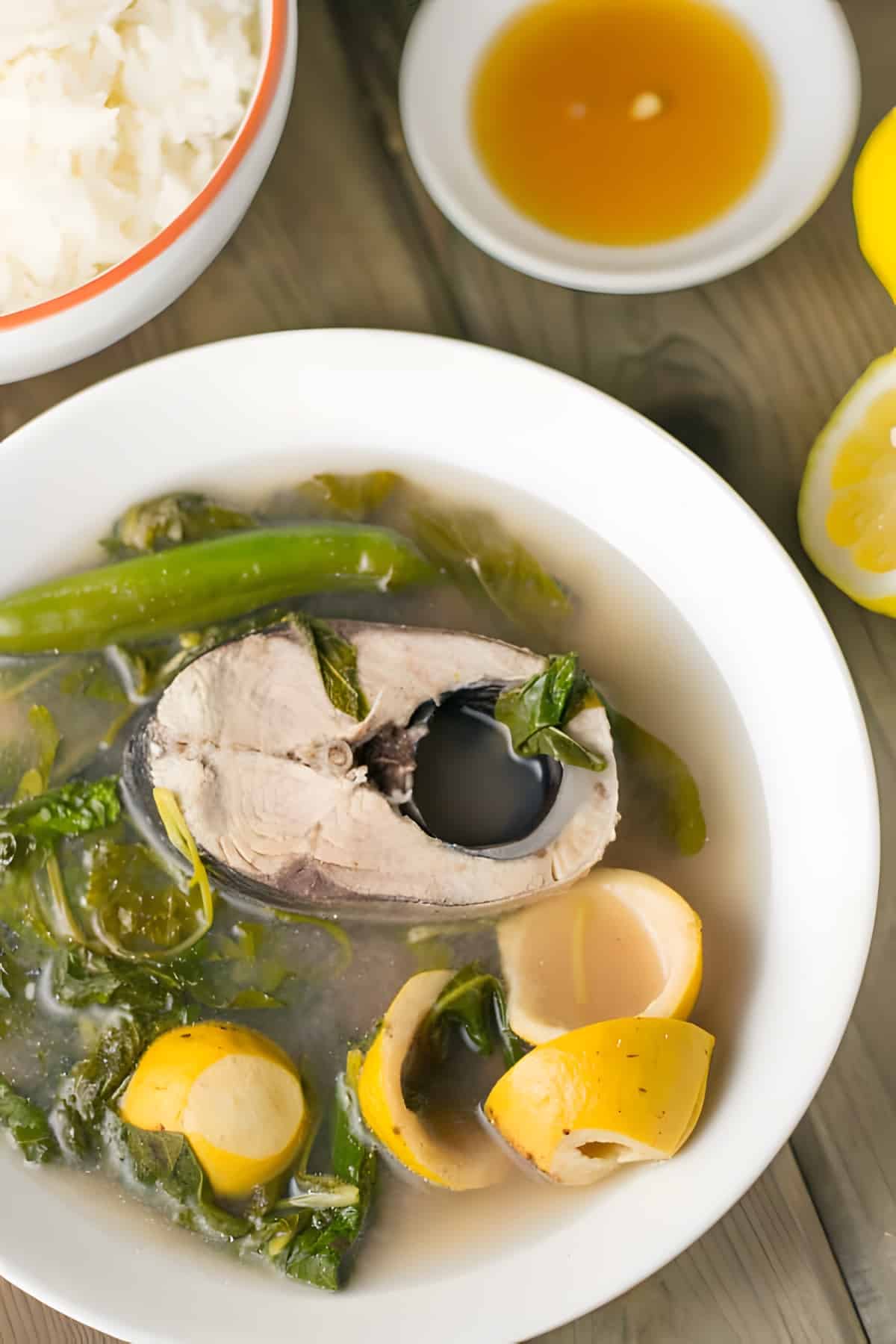
Sinigang na Bangus is often served with a side of steamed rice, which balances the soup’s flavors beautifully. To elevate the meal, consider adding a simple side salad with fresh greens or chopped tomatoes. This adds a refreshing crunch that complements the savory soup. For those who enjoy a little spice, serve the dish with sliced green chili peppers on the side. They can be added directly into the soup or eaten alongside each spoonful. If you have guests over, consider serving some crispy fried tofu or shrimp chips as appetizers. This adds a fun texture and variety to your meal. Don’t forget to garnish your Sinigang with a sprinkle of fresh scallions or cilantro before serving for that pop of freshness.
Storage Instructions and Variations
If you have leftovers, store your Sinigang na Bangus in an airtight container in the refrigerator. It can last up to three days. To reheat, simply warm it on the stove over low heat. If the soup thickens too much, add a little water to reach your desired consistency. For a different twist on this classic dish, try substituting the milkfish with other types of fish like tilapia or salmon. Each fish will bring its own unique flavor to the soup. You can also experiment with other souring agents, such as green mango or even lemon if you can’t find guava. For a vegetarian version, replace the fish with tofu and use vegetable broth instead of water. Whichever variation you choose, Sinigang remains a comforting and versatile dish perfect for any occasion.
Frequently Asked Questions
What can I use instead of milkfish?
If you can’t find milkfish, tilapia or any firm white fish can work as a substitute. Just keep in mind that the flavor might be a bit different, but it will still taste great.
How do I store leftovers?
Store any leftovers in an airtight container in the fridge for up to three days. Reheat gently on the stove to preserve the fish’s texture.
Can I make this soup ahead of time?
Making the soup ahead of time is a great idea. Just prepare the broth and add the guava and spinach right before serving to keep them fresh and flavorful.
What do I serve with sinigang na bangus?
Sinigang na bangus pairs well with steamed rice, which helps balance the tangy flavors. You can also serve it with a side of fried or grilled fish for a heartier meal.
What’s the best way to avoid overcooking the fish?
To avoid overcooking, add the milkfish to the pot during the last 10 minutes of cooking. This keeps it tender and prevents it from falling apart.

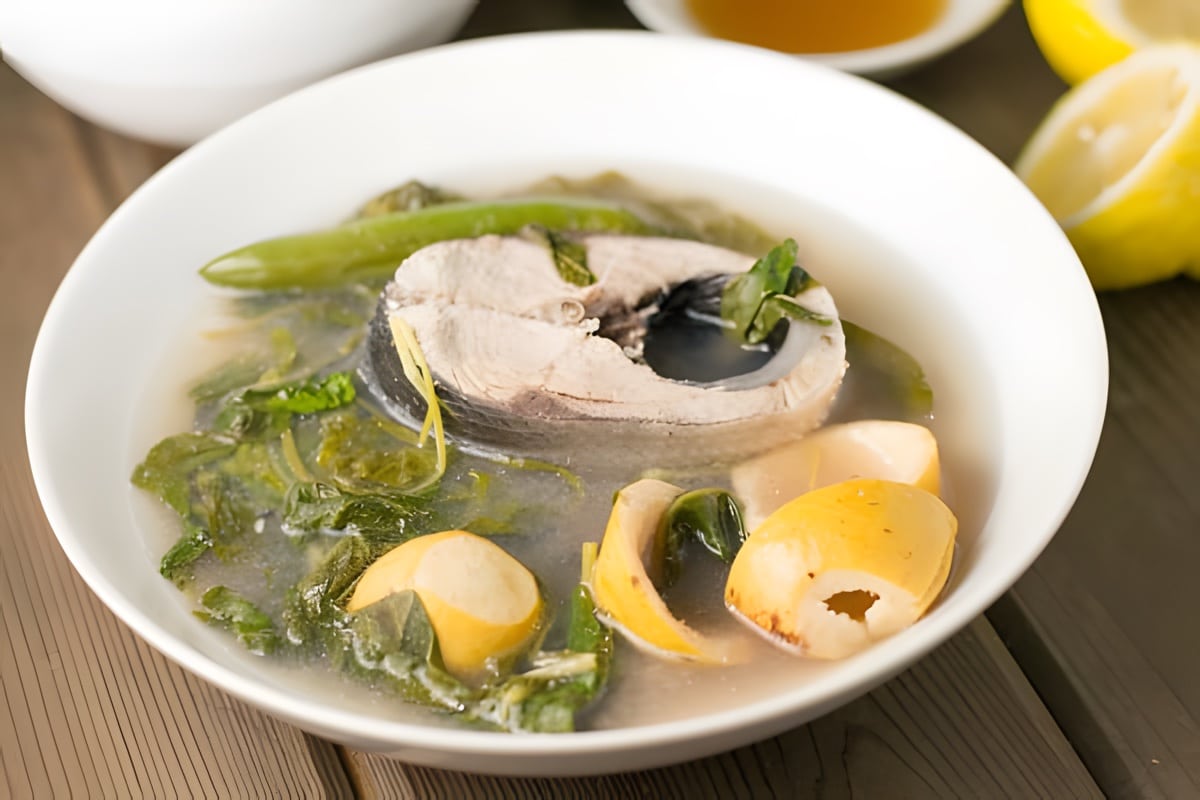
Sinigang na Bangus sa Bayabas (Milkfish in guava soup)

Ingredients
- 1 medium milkfish cleaned and degutted
- 10 cups water
- 1 tablespoon salt or more as needed
- 8 ripe guavas sliced
- 1 bunch spinach
- 2 serrano peppers optional
Instructions
- Slice fish into 5- 6 pieces. Sprinkle with salt.
- Put water in a stock pot. Bring to a boil. Add guava and 1 tablespoon salt. Simmer for 10 minutes.
- Add fish and simmer for another 8 minutes.
- Adjust seasoning. Add spinach and pepper. Cover and turn off heat. Let stand for 5 minutes. Serve with steamed rice and fish sauce with lemon. Enjoy!!
Nutrition
What about the seeds ?